Why Spring Storms Are So Damaging to Commercial Roofs
April 30, 2026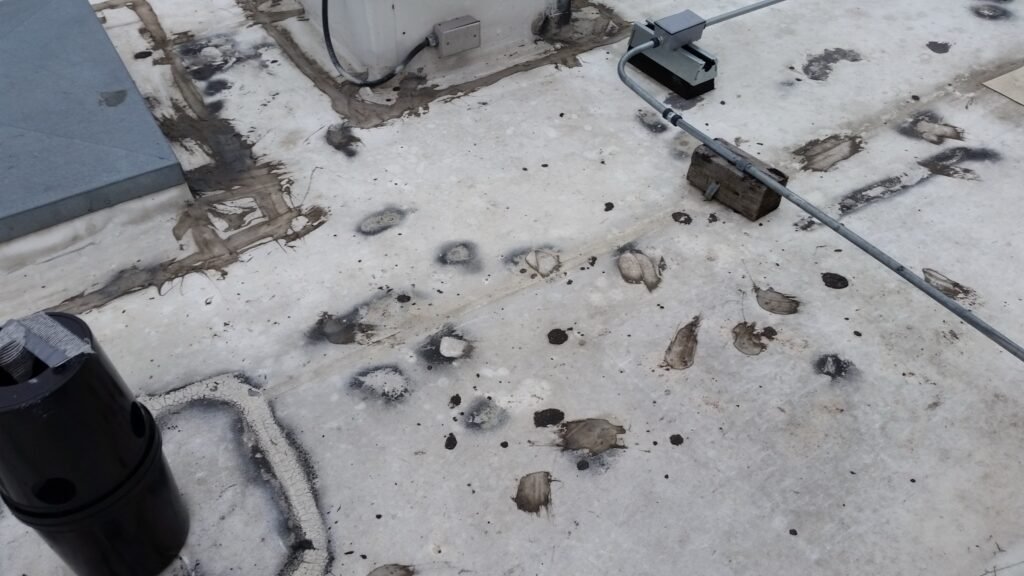
Understanding Hail Damage on Commercial Roofing Systems in the Mid-South
Hailstorms are one of the most damaging weather events for commercial roofing systems, especially throughout the Mid-South during spring and early summer. While some hail damage is easy to spot, much of it goes unnoticed until it leads to leaks, structural issues, or costly repairs.
For commercial property owners and facility managers, understanding how hail impacts different roofing systems is critical for protecting buildings, reducing risk, and avoiding unexpected expenses.
Why Hailstorms Are a Serious Threat to Commercial Roofs
Hail forms when strong updrafts within thunderstorms carry raindrops upward into freezing temperatures, causing them to form ice. As these ice stones grow and eventually fall, they can strike roofing systems with significant force—especially when combined with high winds.
According to the Insurance Institute for Business & Home Safety (IBHS), hail damage is one of the most common and costly forms of storm-related property damage in the United States.
Commercial roofs are particularly vulnerable due to their size, exposure, and material types. Even minor hail impacts can weaken roofing components and reduce the overall lifespan of the system.
What Size Hail Causes Commercial Roof Damage?
The level of damage caused by hail depends on several factors, including hail size, wind speed, roof age, and roofing material. However, even relatively small hail can cause long-term problems.
- Pea-sized hail: Typically causes minimal visible damage but can contribute to gradual wear
- Quarter-sized hail: Can damage membranes, coatings, and roof accessories
- Golf ball-sized hail or larger: Often causes punctures, cracks, and severe structural damage
In many cases, the combination of hail size and wind speed increases the force of impact, making damage more severe than expected.
How Hail Affects Different Commercial Roofing Systems
Each type of commercial roofing material responds differently to hail impact. Understanding these differences can help property owners identify potential damage more effectively.
Single-Ply Roofing (TPO, PVC, EPDM)
Single-ply membranes are common in commercial roofing systems. Hail can cause:
- Surface punctures or tears
- Bruising that weakens the membrane over time
- Damage to seams and welded areas
Modified Bitumen Roofing
Modified bitumen systems are designed for durability but can still be affected by hail:
- Granule loss that exposes underlying layers
- Cracking or splitting of the membrane surface
- Reduced UV protection over time
Metal Roofing Systems
Metal roofs are generally resistant to penetration but may still experience:
- Dents that affect appearance and resale value
- Damage to protective coatings
- Issues with seams, fasteners, or panel connections
Roof Coating Systems
Protective coatings can absorb some impact but may still suffer:
- Cracks or splits in the coating layer
- Exposure of the underlying roofing material
- Reduced waterproofing effectiveness
Hidden Hail Damage Is the Biggest Risk
One of the most dangerous aspects of hail damage is that it is often not visible from the ground. A roof may appear undamaged while still having compromised areas that can lead to leaks later.
Hidden hail damage can result in:
- Slow-developing leaks
- Water-saturated insulation
- Mold or mildew growth
- Decreased energy efficiency
- Premature roof failure
This is why professional inspections are critical after any significant hail event.
Why You Should Schedule a Roof Inspection After a Hailstorm
Even if there are no immediate signs of damage, a professional inspection can identify issues early and prevent more expensive repairs later. Roofing experts are trained to spot subtle damage that may not be visible to untrained eyes.
Inspections also provide documentation that may be necessary if you need to file an insurance claim.
If your property has recently experienced severe weather, visit our storm damage repair page or learn more about our commercial roof repair services.
Signs Your Commercial Roof May Have Hail Damage
After a storm, look for these potential warning signs:
- Dents or damage on rooftop equipment, vents, or metal components
- Loose or damaged flashing
- Visible punctures or cracks in roofing materials
- Granule buildup in gutters or drains
- Interior water stains or ceiling discoloration
If you notice any of these issues, it is important to act quickly to prevent further damage.
Protect Your Investment With Professional Roofing Support
Hail damage can compromise the performance and lifespan of your commercial roof. Taking a proactive approach with inspections and timely repairs can help you avoid major expenses and keep your building protected.
Working with an experienced commercial roofing contractor ensures that damage is identified accurately and repaired correctly the first time.
Need Expert Commercial Roof Repair?
Harold Hall Roofing provides professional roof repair services for commercial and industrial buildings across the Mid-South. Call today for a free inspection and detailed estimate.